
Mastering Split AC Systems in Dubai: Inverter Efficiency, T3 Compressors & Rapid Room Pull-Down
An in-depth technical guide examining how modern wall-mounted split ac units deliver rapid cooling, whisper-quiet operation, and lower DEWA electricity bills across UAE residences and offices.
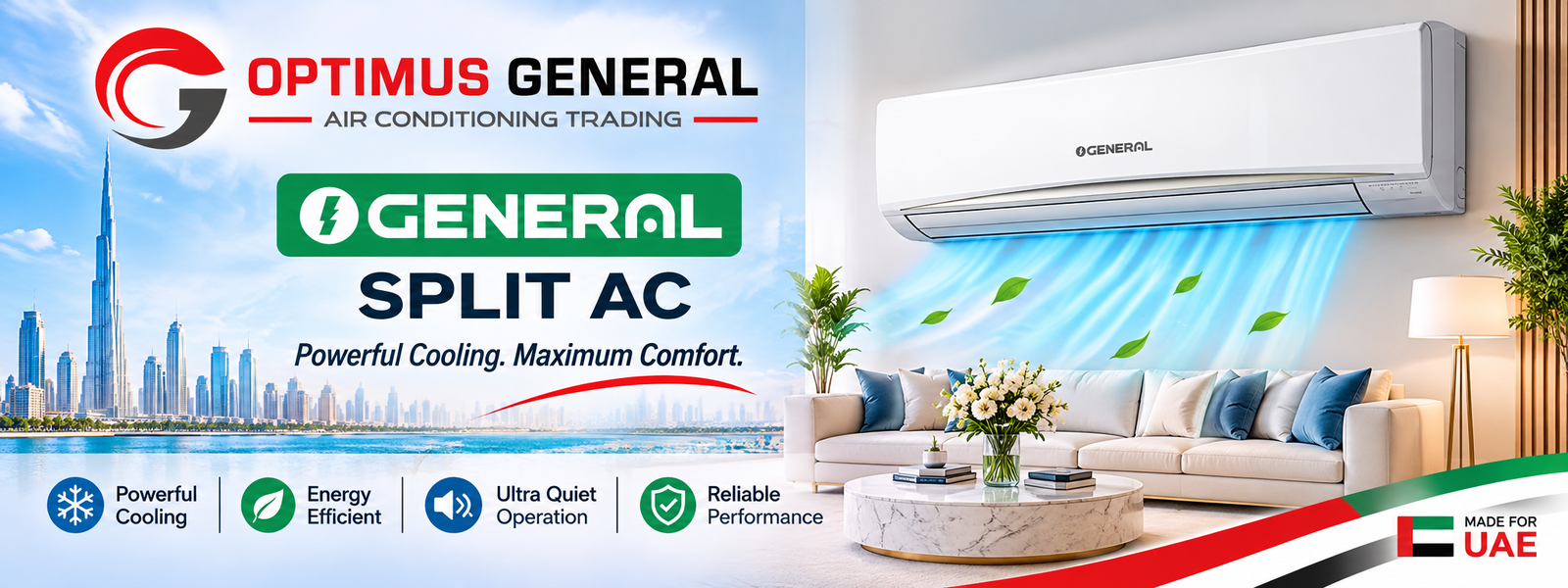
When outdoor temperatures across Dubai soar past 48°C during the peak summer months, maintaining a crisp, comfortable indoor climate is essential. While centralized concealed ducted systems suit expansive villas, the versatile wall-mounted split ac remains the most popular, efficient, and rapid cooling solution for apartment bedrooms, master suites, retail shops, and IT server rooms.
Choosing a wall-mounted split air conditioner for the UAE climate requires understanding more than just cooling capacity (BTUs). It demands evaluating tropicalized compressor engineering, DC inverter modulation, refrigerant types, and professional installation standards. This guide explores the mechanical advantages of modern split air conditioners and how they optimize indoor comfort and energy efficiency.
Why Split AC Systems Outperform Traditional Window Units
Decades ago, window air conditioners dominated buildings across the Middle East. However, modern building codes, aesthetic standards, and strict energy efficiency regulations have made window units obsolete in favor of advanced split systems:
1. Separation of Noisy Components
By dividing the system into an indoor fan unit and an outdoor condensing unit, all compressor vibration and motor noise remain outside the building envelope, leaving indoor spaces peaceful and quiet.
2. Superior Air Filtration & Dehumidification
Wall-mounted split units feature multi-stage washable anti-dust filters, catechin filters, and ion deodorizers that capture fine desert dust particles and pollen while maintaining balanced humidity removal.
3. Zero Architectural Window Obstruction
Unlike window ACs that block natural daylight and breach exterior wall insulation, split units mount cleanly high on interior walls with a discreet 3-inch piping penetration.
Evaluating Inverter vs. Fixed-Speed Split AC Technology
When selecting a wall-mounted split air conditioner, buyers must choose between variable-speed DC inverter technology and traditional fixed-speed compressors. Under Dubai’s tiered electricity tariff system managed by DEWA, this choice directly impacts your monthly utility expenses:
| Performance Metric | Fixed-Speed Rotary Split AC | DC Inverter Split AC (T3 Rated) |
|---|---|---|
| Compressor Operation | Runs at 100% capacity until setpoint, then cycles entirely off | Smoothly modulates RPM from 20% to 100% to match room load |
| Temperature Stability | Noticeable temperature swings as the unit turns on and off | Maintains precise room comfort within ±0.5°C of target |
| Monthly DEWA Impact | Higher starting surges push power usage into upper tariff slabs | Cuts seasonal electricity consumption by 30% to 40% |
| Lifespan & Wear | Constant electrical start-stop stress on motor windings | Extended compressor lifespan due to smooth continuous cruising |
Core Engineering Features Built for Gulf Extremes
Standard split air conditioners manufactured for moderate climates frequently fail when exposed to the extreme ambient temperatures and coastal humidity of the UAE. Genuine high-ambient split systems integrate robust engineering features designed specifically for the region:
1. T3 Tropicalized Compressors
Engineered with reinforced motor windings and oversized displacement mechanisms to guarantee 100% rated cooling output even when outdoor condenser temperatures reach 52°C to 55°C.
2. Hydrophilic Blue-Fin Coils
Aluminum condenser fins treated with anti-corrosive blue-fin coatings resist oxidation caused by sea salt mist in coastal neighborhoods like Dubai Marina and Palm Jumeirah.
3. Wide-Angle Louver Air Diffusion
Automated vertical and horizontal swing louvers distribute chilled air evenly across the room, preventing stratification and cooling large spaces rapidly.
Professional Split AC Installation Protocols
Even the highest-quality split air conditioner will underperform if installed incorrectly. Proper installation requires adherence to rigorous technical standards:
Precise Copper Line Vacuuming
Technicians must evacuate moisture and non-condensable gases from the refrigerant tubing below 500 microns using a two-stage vacuum pump before opening service valves.
Dry Nitrogen Brazing
Purging dry nitrogen through copper pipes during brazing prevents internal carbon scaling that can otherwise clog expansion valves and damage compressors.
Proper Condensate Drainage Slope
Drain hoses must be angled with a steady gravity fall and insulated to prevent indoor water leaks and ceiling or wall staining.
Split AC Maintenance Reminder
To ensure your split AC operates at peak efficiency and keeps your DEWA bills low, remove and rinse the indoor return air filters every 2 to 3 weeks. Schedule a professional chemical coil wash and pressure check prior to the start of every summer season.
Frequently Asked Questions About Split AC Systems
1. What capacity split AC do I need for a standard bedroom in Dubai?
For standard bedrooms ranging between 150 and 250 sq. ft., a 1.5 Ton (18,000 BTU) split unit is typically required. Larger master suites with west-facing windows often require a 2.0 Ton (24,000 BTU) system.
2. How often should a split AC be serviced in the UAE?
Due to fine desert dust and heavy operating loads, split air conditioners in Dubai should undergo professional servicing at least every 3 to 4 months to maintain efficiency.
3. Is an inverter split AC really worth the extra initial cost?
Yes. The 30% to 40% reduction in monthly electricity consumption typically recovers the price difference within the first year of operation, especially during scorching summer months.
4. Can a split AC unit heat a room during winter in Dubai?
While cooling-only models are standard in the UAE, heat-pump split units capable of reverse-cycle heating are available for properties requiring mild winter climate control.
Leave a Reply